ADHD, or Attention Deficit Hyperactivity Disorder, is a neurodevelopmental condition that often goes unrecognized in girls and women.
While traditionally associated with hyperactive boys, ADHD manifests differently in females, presenting unique challenges that can persist into adulthood.
Girls and women with ADHD may struggle with inattention, organization, and emotional regulation, often leading to difficulties in academic, professional, and social settings.
ADHD can significantly impact the daily lives of girls and women, influencing their attention, organization, impulsivity, and emotional well-being.
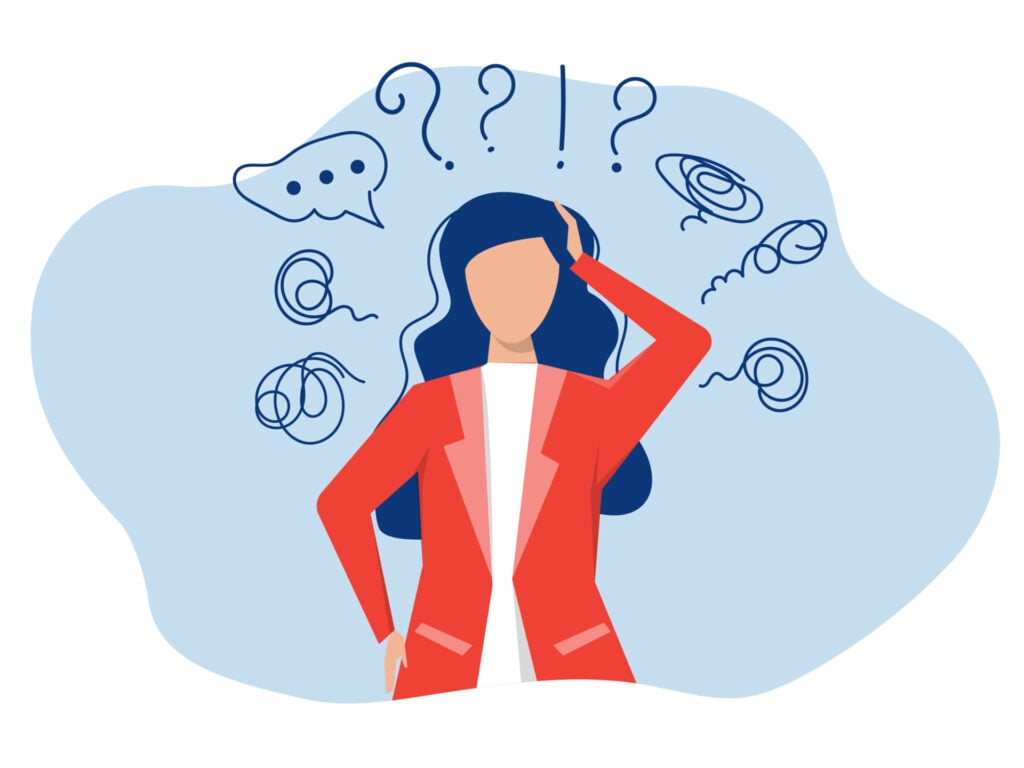
The subtlesigns of ADHDin females can include daydreaming, anxiety, perfectionism, and people-pleasing behaviors.
Recognizing these less obvious symptoms is crucial for proper diagnosis and support, asADHD can significantly impact a woman’s daily life, self-esteem, and overall well-being.
This article explores the often-overlooked signs of ADHD in girls and women, aiming to increase awareness and understanding of how this condition uniquely affects the female population.
To ensure clarity, it is important to note that in this article, the terms ‘girls,’ ‘women,’ and ‘females’ will specifically refer to individuals who identify as cisgender.
This is due to limitations in the research on ADHD, which often do not specify whether gender non-conforming individuals or transgender women are included.
Signs of ADHD in Girls And Women
Girls and females with ADHD can experience similar signs related to the disorder such as inattention, difficulty with organization, motivation issues, and hyperactivity.
However, there can be differences in how ADHD presents in females compared to males, often with more subtle symptoms that can be easily overlooked.
Here are the key signs to watch for in girls and women:

Inattention and Difficulty Focusing
Girls and women with ADHD often struggle with maintaining focus and attention, but this may manifest in less obvious ways:
Dr. Jacque Bogdanov, a Licensed Child Psychologist, notes:
Internalizing Signs
Girls and women with ADHDare more likely to experience internalizing problemscompared to boys.
This means they tend to direct feelings and behaviors inward rather than outward, making their symptoms less visible and often harder to recognize.
Key manifestations, signs, and consequences include:
As one woman with ADHD described:
“You have so many thoughts in your head that, in the end, it just becomes stressful.” (Öster et al., 2019)
Emotional Sensitivity and Regulation
Females with ADHD often experience intense emotions and struggle with regulation:
“I remember having temper tantrums that would scare me, because I realized that I couldn’t control them, and I didn’t even know why I was so upset.”
Compensatory Behaviors and Perfectionism
To mask their struggles, many girls and women with ADHD develop coping mechanisms:
Dr. Muffazal Rawala, a Consultant Adult Psychiatrist and ADHD expert, explains:
“…were they actually coming in earlier, staying up late to manage their workload when the distractions of an office environment were not there? So what were the compensatory mechanisms which this individual has put in their lives in order to perhaps mask some of these symptoms of having attention dysregulation or time management poor organizational abilities.”
Social Difficulties and People-Pleasing
The social world for girls with ADHD may be more complicated than that of boys and men.
Girls may feel more pressure to pay close attention to their friend’s feelings, or they may have to pick up on subtle social cues, which can prove hard for someone with ADHD.
If they find difficulty in paying attention to their friends and can be impulsive in conversations (e.g., interrupting), this can cause a rift and fallout.
ADHD can significantly impact social interactions for females:
A female student with ADHD shared:
“I think because of the self-esteem issues, it has affected me socially because I’ve become a people pleaser. And so, a lot of the time, rather than just being myself and sticking to my values, a lot of the time I’m trying to meet the values of others around me.”
Overwhelm and Executive Function Challenges
Dr Muffazal Rawala, Consultant Adult Psychiatrist and ADHD expert explains how life can feel chaotic:
“As soon as responsibilities increase with increasing… demands on their personal lives, maybe they’ve entered into a relationship or parenthood. So think of it as the more balls you have to juggle in the air at some point in the life, things start falling apart.”
One woman described her experience:
“When I become so stressed that I can’t do anything, then I lie down and stop caring and I feel like I’m a failure.”
Imposter Syndrome and Low Self-Esteem
Imposter syndromeis common in girls and women with ADHD who are high achievers.
Even when they accomplish great things, they often feel like a fraud who does not deserve their success.
The constant struggle to keep up can lead to:
A woman with ADHD explained:
“You really internalize that criticism of not meeting the mark, of not being capable enough where other people seem to manage effortlessly.”
“One study we looked at suggests that ADHD in females – especially when it involves hyperactive/ impulsive symptoms – can increase the risk of self-harm when there is alsoemotion dysregulation.” (from Rosenthal, 2021)
Hormonal Fluctuations and ADHD Symptoms
Recent research suggeststhat hormonal fluctuations during the menstrual cycle can significantly impact ADHD symptoms and medication effectiveness in women.
During the luteal phase, when estrogen levels drop, women with ADHD may experience worsening of symptoms and decreased response to stimulant medications.
This can lead to increased inattention, emotional dysregulation, and mood disturbances in the premenstrual period.
Some clinicians have foundsuccess in adjustingstimulant medicationdosages during the premenstrual phase to compensate for these hormonal changes.
This approach may help maintain consistent symptom management throughout the menstrual cycle. However, it’s crucial to note that such adjustments should only be made under medical supervision.
Understanding the interplay between hormones and ADHD symptoms can lead to more personalized and effective treatment strategies for women.
It highlights the importance of tracking menstrual cycles and symptoms to identify patterns and optimize treatment.
This emerging area of research underscores the need for gender-specific approaches inADHD management.
Why ADHD is Often Missed in Females
ADHD in girls and women is frequently overlookeddue to:
As Rosenthal (2021) noted:
“Compared to boys and men, girls and women with ADHD may have symptoms that are less noticeable to others. This is because they often have aninattentive presentation of ADHD, with symptoms such as difficulties with organization, focus and attention to detail.”
Recognizing these subtle signs is crucial for proper diagnosis and support, as ADHD can significantly impact a woman’s daily life, self-esteem, and overall well-being.
Early identification and intervention can lead to better outcomes and improved quality of life for girls and women with ADHD.
Managing ADHD in Girls and Women
While ADHD presents challenges, evidence-based strategies can helpgirls and women effectively manage symptoms.
FAQs
Can girls and women with ADHD experience difficulties in relationships?Yes, girls and women with ADHD can experience difficulties in relationships.ADHD symptoms, such as impulsivity, forgetfulness, and inattentiveness, can impact their ability to effectively communicate, listen, and maintain focus within relationships.This may lead to misunderstandings, conflict, and challenges in meeting relationship expectations.However, with awareness and support, individuals with ADHD can develop strategies to manage their symptoms and enhance their relationship skills, fostering healthier and more fulfilling connections with others.
Can girls and women with ADHD experience difficulties in relationships?
Yes, girls and women with ADHD can experience difficulties in relationships.ADHD symptoms, such as impulsivity, forgetfulness, and inattentiveness, can impact their ability to effectively communicate, listen, and maintain focus within relationships.This may lead to misunderstandings, conflict, and challenges in meeting relationship expectations.However, with awareness and support, individuals with ADHD can develop strategies to manage their symptoms and enhance their relationship skills, fostering healthier and more fulfilling connections with others.
Yes, girls and women with ADHD can experience difficulties in relationships.
ADHD symptoms, such as impulsivity, forgetfulness, and inattentiveness, can impact their ability to effectively communicate, listen, and maintain focus within relationships.
This may lead to misunderstandings, conflict, and challenges in meeting relationship expectations.
However, with awareness and support, individuals with ADHD can develop strategies to manage their symptoms and enhance their relationship skills, fostering healthier and more fulfilling connections with others.
Can ADHD symptoms change during different life stages for females?
Yes, ADHD symptoms can change during different life stages for females.
Hormonal fluctuations during puberty, menstruation, pregnancy, and menopause may exacerbate ADHD symptoms in women. This can lead to changing symptom presentation over the lifespan (Antoniou et al. 2021).
What are some common misconceptions about ADHD in girls and women?Before realizing they have ADHD, girls and women may be attributed negative labels such as:“Lazy” or “unmotivated” due to difficulties with focus and productivity.“Airheaded” or “scatterbrained” because of forgetfulness and disorganization.“Spacey” or “daydreamer” as a result of inattentiveness and zoning out.“Emotional” or “moody” due to challenges in regulating emotions and impulsivity.“Underachiever” because of inconsistencies in academic or professional performance.“Unreliable” or “flaky” because of difficulty with time management and meeting commitments.These labels often overlook the underlying neurobiological factors of ADHD, leading to misunderstanding and frustration for the individuals involved.
What are some common misconceptions about ADHD in girls and women?
Before realizing they have ADHD, girls and women may be attributed negative labels such as:“Lazy” or “unmotivated” due to difficulties with focus and productivity.“Airheaded” or “scatterbrained” because of forgetfulness and disorganization.“Spacey” or “daydreamer” as a result of inattentiveness and zoning out.“Emotional” or “moody” due to challenges in regulating emotions and impulsivity.“Underachiever” because of inconsistencies in academic or professional performance.“Unreliable” or “flaky” because of difficulty with time management and meeting commitments.These labels often overlook the underlying neurobiological factors of ADHD, leading to misunderstanding and frustration for the individuals involved.
Before realizing they have ADHD, girls and women may be attributed negative labels such as:
“Lazy” or “unmotivated” due to difficulties with focus and productivity.
“Airheaded” or “scatterbrained” because of forgetfulness and disorganization.
“Spacey” or “daydreamer” as a result of inattentiveness and zoning out.
“Emotional” or “moody” due to challenges in regulating emotions and impulsivity.
“Underachiever” because of inconsistencies in academic or professional performance.
“Unreliable” or “flaky” because of difficulty with time management and meeting commitments.
These labels often overlook the underlying neurobiological factors of ADHD, leading to misunderstanding and frustration for the individuals involved.
Further Reading
Bauermeister, J. J., Shrout, P. E., Chávez, L., Rubio‐Stipec, M., Ramírez, R., Padilla, L., … & Canino, G. (2007). ADHD and gender: are risks and sequela of ADHD the same for boys and girls?. Journal of Child Psychology and Psychiatry, 48(8), 831-839.
Skogli, E. W., Teicher, M. H., Andersen, P. N., Hovik, K. T., & Øie, M. (2013). ADHD in girls and boys–gender differences in co-existing symptoms and executive function measures. BMC psychiatry, 13(1), 1-12.
Ghanizadeh, A. (2012). Psychometric analysis of the new ADHD DSM-V derived symptoms. BMC psychiatry, 12(1), 1-6.
Gershon, J., & Gershon, J. (2002). A meta-analytic review of gender differences in ADHD. Journal of attention disorders, 5(3), 143-154.
Next article
Why Is ADHD Often Missed In Girls And Women?
Impact Of ADHD In Girls & Women: How To Cope
Tips For Managing ADHD As A Woman
References
Advokat, C. D., & Scheithauer, M. (2013). Attention-deficit hyperactivity disorder (ADHD) stimulant medications as cognitive enhancers.Frontiers in neuroscience, 7, 82.
Anastopoulos, A. D., King, K. A., Besecker, L. H., O’Rourke, S. R., Bray, A. C., & Supple, A. J. (2020). Cognitive-behavioral therapy for college students with ADHD: Temporal stability of improvements in functioning following active treatment.Journal of Attention Disorders,24(6), 863-874.
Antoniou, E., Rigas, N., Orovou, E., Papatrechas, A., & Sarella, A. (2021). ADHD symptoms in females of childhood, adolescent, reproductive and menopause period.Materia Socio-Medica,33(2), 114.
Becker, S. P., Mehari, K. R., Langberg, J. M., & Evans, S. W. (2017). Rates of peer victimization in young adolescents with ADHD and associations with internalizing symptoms and self-esteem.European child & adolescent psychiatry,26, 201-214.
Children and Adults with Attention-Deficit/Hyperactivity Disorder. (n.d.). Women and Girls. Retrieved 2022, January 25, from:https://chadd.org/for-adults/women-and-girls/
Chronis‐Tuscano, A. (2022). ADHD in girls and women: a call to action–reflections on Hinshaw et al.(2021).Journal of Child Psychology and Psychiatry.
de Jong, M., Wynchank, D. S. M. R., van Andel, E., Beekman, A. T. F., & Kooij, J. J. S. (2023). Female-specific pharmacotherapy in ADHD: premenstrual adjustment of psychostimulant dosage.Frontiers in psychiatry,14, 1306194.
Finlay, M. (2022, May 12). Why aren’t women getting diagnosed with ADHD? [Audio podcast episode]. InScience Weekly.
Gershon, J., & Gershon, J. (2002). A meta-analytic review of gender differences in ADHD.Journal of attention disorders,5(3), 143-154.
Gurian, A. (2014). Girls with ADHD: overlooked, underdiagnosed, and underserved.NYU Child Study Center About Our Kids.
Hinshaw, S. P. (2002). Preadolescent girls with attention-deficit/hyperactivity disorder: I. Background characteristics, comorbidity, cognitive and social functioning, and parenting practices.Journal of consulting and clinical psychology, 70(5), 1086.
Hinshaw, S. P., Nguyen, P. T., O’Grady, S. M., & Rosenthal, E. A. (2021). Annual Research Review: Attention‐deficit/hyperactivity disorder in girls and women: underrepresentation, longitudinal processes, and key directions.Journal of Child Psychology and Psychiatry.
Hinshaw, S. P., Owens, E. B., Zalecki, C., Huggins, S. P., Montenegro-Nevado, A. J., Schrodek, E., & Swanson, E. N. (2012). Prospective follow-up of girls with attention-deficit/hyperactivity disorder into early adulthood: continuing impairment includes elevated risk for suicide attempts and self-injury.Journal of consulting and clinical psychology, 80(6), 1041.
Meza, J. I., Owens, E. B., & Hinshaw, S. P. (2021). Childhood predictors and moderators of lifetime risk of self-harm in girls with and without attention-deficit/hyperactivity disorder.Development and psychopathology, 33(4), 1351-1367.
Morley, E., & Tyrrell, A. (2023). Exploring Female Students’ Experiences of ADHD and its Impact on Social, Academic, and Psychological Functioning.Journal of Attention Disorders, 10870547231168432.
Quinn, P. O., & Madhoo, M. (2014). A review of attention-deficit/hyperactivity disorder in women and girls: uncovering this hidden diagnosis.The primary care companion for CNS disorders, 16(3).
Steer, J. (Host). (2022, December 21). ADHD in women, Prof Lucy Easthope, Debbie [Audio podcast episode]. InWomen’s Hour.
Young, S., Adamo, N., Ásgeirsdóttir, B. B., Branney, P., Beckett, M., Colley, W., … & Woodhouse, E. (2020). Females with ADHD: An expert consensus statement taking a lifespan approach providing guidance for the identification and treatment of attention-deficit/hyperactivity disorder in girls and women.BMC psychiatry,20(1), 1-27.

Saul McLeod, PhD
BSc (Hons) Psychology, MRes, PhD, University of Manchester
Saul McLeod, PhD., is a qualified psychology teacher with over 18 years of experience in further and higher education. He has been published in peer-reviewed journals, including the Journal of Clinical Psychology.
Olivia Guy-Evans, MSc
BSc (Hons) Psychology, MSc Psychology of Education
Olivia Guy-Evans is a writer and associate editor for Simply Psychology. She has previously worked in healthcare and educational sectors.
