Effective emotion regulation involves managing emotional responses in a way that allows for adaptive functioning and goal-directed behavior.
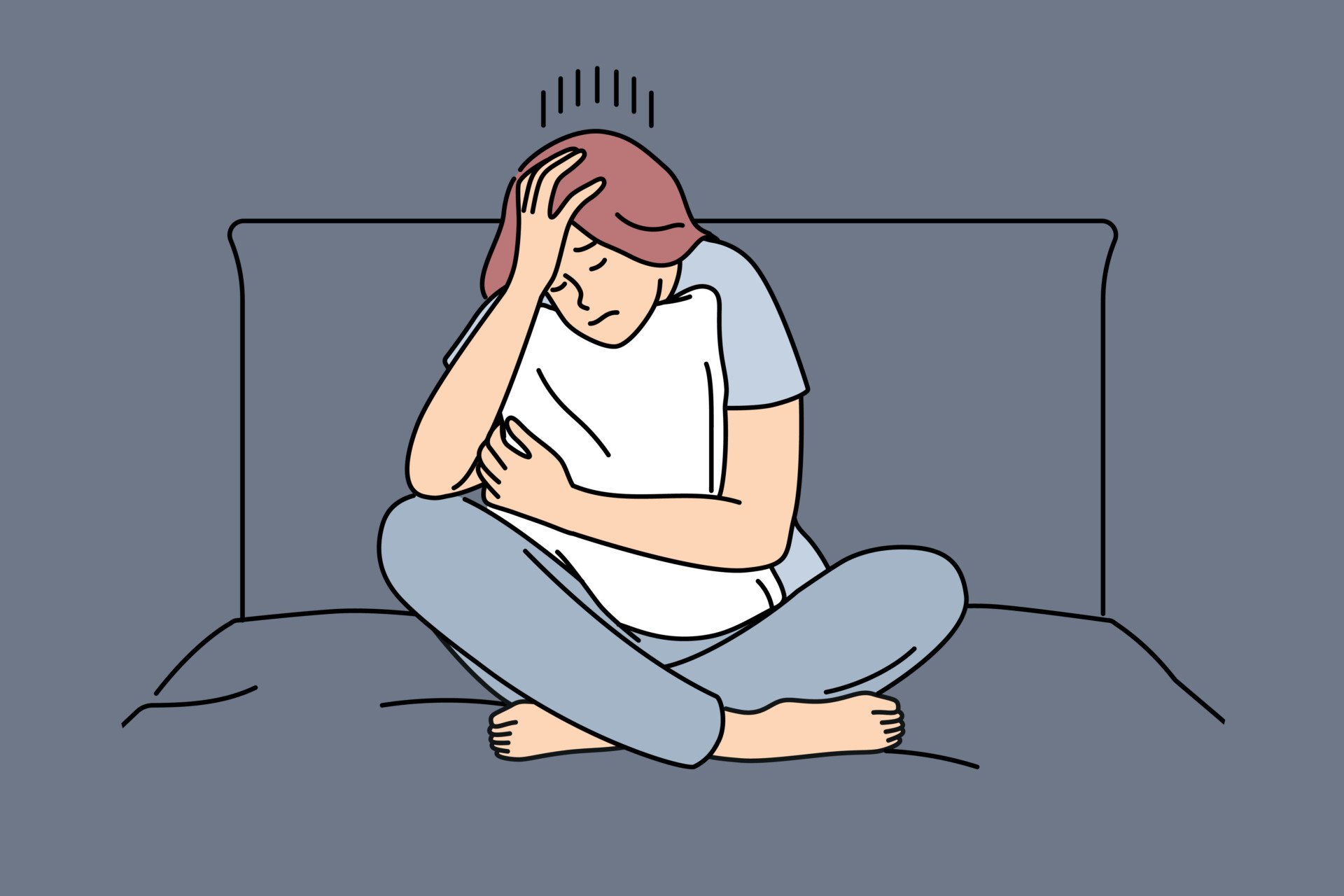
People with depression and anxiety disorders (e.g.,generalized anxietyorsocial anxiety) often struggle with emotion regulation, experiencing difficulties in identifying, understanding, and effectively managing their emotional responses.
This can lead to a vicious cycle where negative emotions become overwhelming and contribute to the maintenance of depressive and anxious symptoms.
Incorporating emotion regulation training into therapy may be important because it directly targets a key mechanism underlying these disorders. By helping individuals develop adaptive emotion regulation strategies, such training can enhance their ability to cope with negative emotions, reduce the intensity and duration of depressive and anxious states, and improve overall functioning.
Key Points
Rationale
Anxiety and depressive disorders are prevalent in adolescents and negatively impact functioning and quality of life (Essau et al., 2000; Jaycox et al., 2009).
CBT is an effective treatment but has limitations, such as lacking evidence for long-term benefits (James et al., 2020; Watanabe et al., 2007).
Dysfunctional emotion regulation is an important common factor underlying these disorders (Aldao et al., 2010; Compas et al., 2017).
Integrating emotion regulation training within a transdiagnostic framework shows promise for this population (Ehrenreich-May et al., 2017; Sakiris & Berle, 2019). Delivering ERT online may increase accessibility.
This pilot study examines the feasibility, acceptability, and preliminary effectiveness of internet-based ERT added to CBT for adolescents with depressive and anxiety disorders.
Method
Two-arm pilot randomized controlled trial with a parallel group design comparing CBT + ERT to CBT alone.
Procedure
Sample
39 participants aged 13-18 (mean=16.4) with depressive disorder (71.8%) or anxiety disorder (28.2%) recruited from a Dutch mental healthcare institution. 76.9% were female.
Measures
Depressive symptoms, anxiety symptoms, emotion regulation, internalizing problems, and severity of illness was assessed using the following measures:
Treatment adherence, satisfaction and system usability were also assessed.
Statistical Analysis
Linear mixed-model analyses evaluated treatment effects on primary and secondary outcomes. Multiple regression analyzed internalizing problems. Chi-square compared treatment response rates.
Results
CBT + ERT showed significantly larger reductions than CBT alone in self-reported depressive symptoms (d=0.70, p=.017), anxiety symptoms (d=0.62, p=.003), maladaptive emotion regulation (d=0.49, p=.014), and larger increases in adaptive emotion regulation (d=0.71, p=.008) at 6-month follow-up.
No significant differences were found for parent-reported outcomes or therapist-rated improvement.
Insights
The online delivery increases accessibility. Results highlight emotion regulation as an important treatment target.
Future research should develop an optimized ERT program with adolescent input and evaluate it in a fully-powered trial across multiple centers.
Strengths
This study had several methodological strengths, including:
Limitations
Despite strengths, this study also had some limitations, including:
Implications
This pilot study suggests that adding internet-based emotion regulation training to CBT may enhance treatment outcomes for adolescents with depressive disorders, as well as those with anxiety disorders, such as intreatment for generalized anxietyorsocial anxiety, for instance.
If replicated in larger trials, this combined intervention could become a valuable treatment option, particularly given the potential for online delivery to increase access to care.
The study also highlights the importance of targeting emotion regulation skills in treating adolescent depression and anxiety, given the role of emotion regulation difficulties in these disorders.
The preliminary evidence for the feasibility and effectiveness of this specific emotion regulation training protocol could inform future research and clinical practice.
However, potential moderators and boundary conditions of these effects should be considered, such as symptom severity, treatment engagement, and therapeutic alliance. Future research should examine these moderators to identify which adolescents are most likely to benefit.
Lastly, the study underscores the need for continued research on innovative, accessible, and effective interventions for adolescent mental health problems.
Given the high prevalence and burden of depression and anxiety in this population, developing and evaluating new treatment approaches that meet the diverse needs of adolescents and their families is essential.
While this study represents an important step, further work is needed to improve the quality and reach of mental health care for young people.
References
Primary reference
Wisman, M. A., Emmelkamp, J., Dekker, J. J., & Christ, C. (2023). Internet-based emotion-regulation training added to CBT in adolescents with depressive and anxiety disorders: A pilot randomized controlled trial to examine feasibility, acceptability, and preliminary effectiveness.Internet interventions,31, 100596.https://doi.org/10.1016/j.invent.2022.100596
Other references
Aldao, A., Nolen-Hoeksema, S., & Schweizer, S. (2010). EmAldao, A., Nolen-Hoeksema, S., & Schweizer, S. (2010). Emotion-regulation strategies across psychopathology: A meta-analytic review.Clinical psychology review,30(2), 217-237.https://doi.org/10.1016/j.cpr.2009.11.004
Compas, B. E., Jaser, S. S., Bettis, A. H., Watson, K. H., Gruhn, M. A., Dunbar, J. P., Williams, E., & Thigpen, J. C. (2017). Coping, emotion regulation, and psychopathology in childhood and adolescence: A meta-analysis and narrative review.Psychological Bulletin, 143(9), 939–991.https://doi.org/10.1037/bul0000110
Ehrenreich-May, J., Rosenfield, D., Queen, A. H., Kennedy, S. M., Remmes, C. S., & Barlow, D. H. (2017). An initial waitlist-controlled trial of the unified protocol for the treatment of emotional disorders in adolescents.Journal of Anxiety Disorders,46, 46-55.https://doi.org/10.1016/j.janxdis.2016.10.006
Essau, C. A., Conradt, J., & Petermann, F. (2000). Frequency, comorbidity, and psychosocial impairment of anxiety disorders in German adolescents.Journal of anxiety disorders,14(3), 263-279.https://doi.org/10.1016/s0887-6185(99)00039-0
James, A. C., Reardon, T., Soler, A., James, G., & Creswell, C. (2020). Cognitive behavioural therapy for anxiety disorders in children and adolescents.Cochrane database of systematic reviews, (11).https://doi.org/10.1002/14651858.CD013162.pub2
Jaycox, L. H., Stein, B. D., Paddock, S., Miles, J. N., Chandra, A., Meredith, L. S., Tanielian, T., Hickey, S., & Burnam, M. A. (2009). Impact of teen depression on academic, social, and physical functioning.Pediatrics,124(4), e596-e605.https://doi.org/10.1542/peds.2008-3348
Sakiris, N., & Berle, D. (2019). A systematic review and meta-analysis of the Unified Protocol as a transdiagnostic emotion regulation based intervention.Clinical psychology review,72, 101751.https://doi.org/10.1016/j.cpr.2019.101751
Watanabe, N., Hunot, V., Omori, I. M., Churchill, R., & Furukawa, T. A. (2007). Psychotherapy for depression among children and adolescents: a systematic review.Acta Psychiatrica Scandinavica,116(2), 84-95.https://doi.org/10.1111/j.1600-0447.2007.01018.x
Keep Learning
Here are some potential discussion questions for a college class on this paper:

Saul McLeod, PhD
BSc (Hons) Psychology, MRes, PhD, University of Manchester
Saul McLeod, PhD., is a qualified psychology teacher with over 18 years of experience in further and higher education. He has been published in peer-reviewed journals, including the Journal of Clinical Psychology.
Olivia Guy-Evans, MSc
BSc (Hons) Psychology, MSc Psychology of Education
Olivia Guy-Evans is a writer and associate editor for Simply Psychology. She has previously worked in healthcare and educational sectors.
