On This Page:ToggleDefinitionCausesExamplesTypes
On This Page:Toggle
On This Page:
Summary
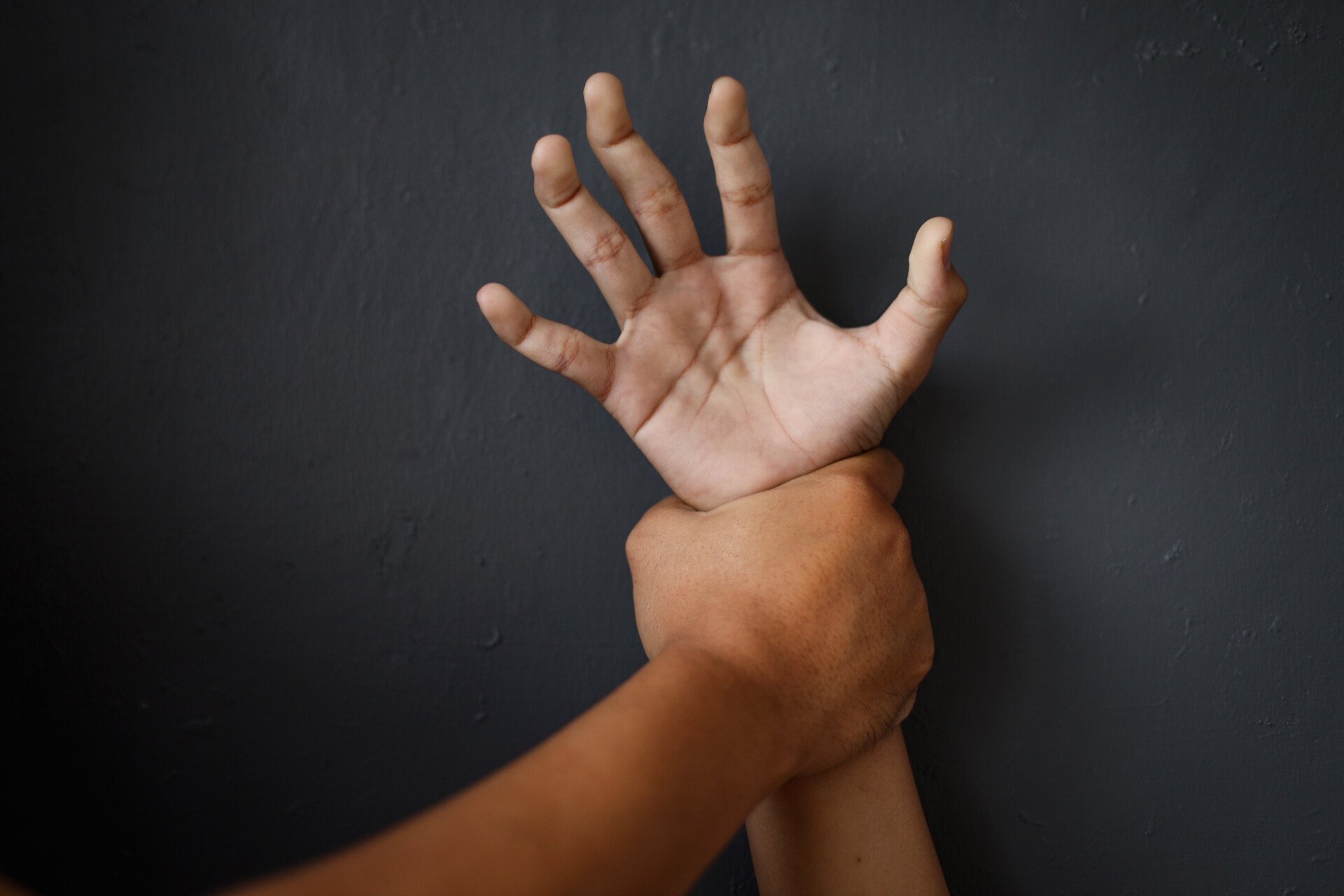
What is Instrumental Aggression?
Instrumental aggression is a form of aggression where the primary aim is not to inflict pain on the victim but to reach some other goal where aggression is merely incidental.
Instrumental aggression can be both overt and covert. Evolutionary psychologists have historically believed that males use aggression to display dominance over other males in order to protect a mate and perpetuate the male’s genes.
Meanwhile, women often express themselves through communication that impairs the social standing of another person.
Causes
Many psychologists believe that instrumental aggression can be understood through Skinner’s theory of operant conditioning (Holland & Skinner, 1961).
To illustrate the role that operant conditioning can play in learning aggression, consider a child who uses force to take a toy that they want away from another child.
This child may feel happy after showing aggressive behavior because the toy is fun to play with. This positive reward makes it more likely that the child will participate in the toy-taking behavior in the future to get what they want.
Instrumental aggression is a means to an end. However, in the view of operant conditioning, the actual removal of the apparent reward for instrumental aggression may not immediately eliminate the behavior because the aggressor has built up an internal association between behavior and reward that leads to aggression.
Genetics and Endocrine/Nervous System Explanations
Scientists have attributed aggression to a panoply of biological, environmental, and psychological factors. Imbalances in certain hormones, such as testosterone and cortisol, as well as neurotransmitters, such as serotonin and dopamine, have been linked to aggression (Rosel & Siever, 2015).
Testosterone, in particular in high levels, has been shown to lead to greater levels of social dominance and physical aggression in adolescents, particularly in situations where physical aggression leads to social dominance (Tremblay, 1998).
These hormonal imbalances can be due to genetics as well as brain structure. For example, people who have a smaller amygdala than average tend to be more aggressive than others.
Matthies et al. (2012), for instance, found that participants with higher aggression scores, as measured through a written assessment, had a 16-18% reduction in amygdala volumes.
In addition, a similar study found that men with lower amygdala volume displayed higher levels of aggressive behavior and psychopathic features from childhood to adulthood (Pardini, Raine, Erickson, & Loeber, 2014).
Another part of the brain that has been associated with aggressive behavior is the hypothalamus (Haller, 2013). However, the frontal cortex region of the brain can inhibit this aggression.
Environmental factors also play a role in aggressive behavior. Those who frequently witnessed aggression in childhood, such as those who underwent trauma, are more likely to display aggressive behavior in adulthood (Bevilacqua, Carli, & Sarchiapone et al., 2012).
Finally, several mental health conditions, such asADHD, bipolar disorder, bipolar personality, narcissism, and PTSD, have been associated with an increased tendency to engage in aggressive behavior.
Aggressive tendencies can also be found in some patients with conditions such as epilepsy, substance use disorder, and brain injuries or abnormalities.
Negative Affect and Mood
Another possible cause of aggression is negative affect and mood. In one study, participants who placed their hand in the water while they were administered either a reward or punishment and were told they might experience pain reported greater discomfort.
Experienced greater levels of annoyance, anger, and irritation and behaved more punitively to the person who administered the reward or punishment than those who were not (Berkowitz & Thome, 1987).
Examples
Instrumental Aggression and Psychopathy
Psychopathy is a psychiatric disorder involving a noticed lack of guilt, remorse, and empathy (Glenn & Raine, 2009).
As well as lacking fear of the negative consequences of risky or criminal behavior and insensitivity to punishment, psychopaths are often described as superficially charming, glib, manipulative, conning, and grandiose (Glenn & Raine, 2009).
Psychopathy is associated with an increased risk for instrumental aggression, which distinguishes the condition from other antisocial disorders. This has implications for the crimes that those with psychopathy commit.
While psychopathic criminals are more likely to engage in predatory violence, non-psychopathic violent criminals are more likely to engage in reactive violence. This applies especially to serious offenses like sexual assault or homicide.
Meanwhile, psychopathic and non-psychopathic criminals tend to commit less serious offenses, such as theft and burglary, at similar rates (Glenn & Raine, 2009).
Furthermore, psychopathics were less likely to have been emotionally aroused during their crimes than non-psychopaths (2.4% vs. 31.7% of violent acts).
This is to say that the reduced empathy, guilt, and remorse exhibited in psychopathy has been implicated in increased instrumental motives in committing violent crimes (Glenn & Raine, 2009).
Instrumental Aggression and Pain
Some researchers, such as Hartmann (1969), have argued that pain can influence instrumental aggression. In his study, Hartmann subjected adolescent delinquents to either anger-arousing or non-arousing experiences.
They then viewed a nonaggressive control film or one of two films depicting a fight sequence. The pain-cues film focused on the pain responses of the victim, while the instrumental aggression film highlighted the inflictor’s aggressive behavior.
The adolescents were then asked to participate in a learning task with a provocateur. When the provocateur made mistakes, the adolescents could administer shocks to the provocateur.
Hartmann found that, regardless of arousal level, participants who witnessed the modeled aggression behaved more punitively toward the provocateur than participants who had observed the same models behave non-aggressively.
Aroused viewers tended to respond more positively than non-aroused viewers did, and angered participants who witnessed modeled pain reactions tended to respond more positively than observers who were exposed to model instrumental aggression (Hartmann, 1969).
Types of aggression
There are three main types of aggression: instrumental, hostile, and relational aggression.
Meanwhile, relational aggression occurs when someone makes efforts to damage another’s relationships through actions such as spreading rumors, name-calling, or social exclusion.
Hostile vs. Instrumental Aggression
One of the biggest distinctions in the field of aggression is between hostile and instrumental aggression.
When someone engages in hostile aggression, they are impulsive, emotionally driven, and reactive. Meanwhile, instrumental aggression is proactive, premeditated, and cold-blooded.
The goal of instrumental aggression is to obtain a preferred outcome or to coerce others and is founded in the social learning model of aggressive behavior in which aggression is learned through vicarious reinforcement and maintained because the perpetrator expects that the behavior will result in a reward.
Instrumental aggression is often associated with traits such as lack of guilt and empathy and can be either physical or relational.
Meanwhile, hostile aggression is often reactive and is not associated with a lack of guilt and empathy (Glenn & Raine, 2009).
Often, those who commit hostile aggression do so due to emotional arousal rather than revenge or material or social gain.
References
Berkowitz, L., & Thome, P. R. (1987). Pain expectation, negative affect, and angry aggression. Motivation and emotion, 11(2), 183-193.
Berkowitz, L. (1993). Aggression: Its causes, consequences, and control. Mcgraw-Hill Book Company.
Bevilacqua, L., Carli, V., Sarchiapone, M., George, D. K., Goldman, D., Roy, A., & Enoch, M. A. (2012). Interaction between FKBP5 and childhood trauma and risk of aggressive behavior. Archives of general psychiatry, 69(1), 62-70.
Glenn, A. L., & Raine, A. (2009). Psychopathy and instrumental aggression: Evolutionary, neurobiological, and legal perspectives. International journal of law and psychiatry, 32(4), 253-258.
Gradinger, P., Strohmeier, D., & Spiel, C. (2009). Traditional bullying and cyberbullying: Identification of risk groups for adjustment problems. Zeitschrift für Psychologie/Journal of Psychology, 217(4), 205-213.
Haller, J. (2013). The neurobiology of abnormal manifestations of aggression—a review of hypothalamic mechanisms in cats, rodents, and humans. Brain research bulletin, 93, 97-109.
Hartmann, D. P. (1969). Influence of symbolically modeled instrumental aggression and pain cues on aggressive behavior. Journal of Personality and Social Psychology, 11(3), 280.
Holland, J. G., & Skinner, B. F. (1961). The analysis of behavior: A program for self-instruction.
Matthies, S., Rüsch, N., Weber, M., Lieb, K., Philipsen, A., Tuescher, O., … & van Elst, L. T. (2012). Small amygdala–high aggression? The role of the amygdala in modulating aggression in healthy subjects. The World Journal of Biological Psychiatry, 13(1), 75-81.
Pardini, D. A., Raine, A., Erickson, K., & Loeber, R. (2014). Lower amygdala volume in men is associated with childhood aggression, early psychopathic traits, and future violence. Biological psychiatry, 75(1), 73-80
Rosell, D. R., & Siever, L. J. (2015). The neurobiology of aggression and violence. CNS spectrums, 20(3), 254-279.
Tremblay, R. E. (1998). Testosterone, physical aggression, dominance, and physical development in early adolescence. International Journal of Behavioral Development, 22(4), 753-777.
Williamson, S., Hare, R. D., & Wong, S. (1987). Violence: Criminal psychopaths and their victims. Canadian Journal of Behavioural Science/Revue canadienne des sciences du comportement, 19(4), 454.

Saul McLeod, PhD
BSc (Hons) Psychology, MRes, PhD, University of Manchester
Saul McLeod, PhD., is a qualified psychology teacher with over 18 years of experience in further and higher education. He has been published in peer-reviewed journals, including the Journal of Clinical Psychology.
Charlotte NickersonResearch Assistant at Harvard UniversityUndergraduate at Harvard UniversityCharlotte Nickerson is a student at Harvard University obsessed with the intersection of mental health, productivity, and design.
Charlotte NickersonResearch Assistant at Harvard UniversityUndergraduate at Harvard University
Charlotte Nickerson
Research Assistant at Harvard University
Undergraduate at Harvard University
Charlotte Nickerson is a student at Harvard University obsessed with the intersection of mental health, productivity, and design.
ContactWe are committed to engaging with you and taking action based on your suggestions, complaints, and other feedback.Simply Scholar Ltd. 20-22 Wenlock Road, London N1 7GU+447438296273contact@simplypsychology.orgCategoriesPsychologySelf-CareRelationshipsour staffSaul McLeodFlorence YeungIoanna StavrakiHaddi BrowneOlivia Guy-EvansJulia SimkusAnna DrescherKarina González
ContactWe are committed to engaging with you and taking action based on your suggestions, complaints, and other feedback.Simply Scholar Ltd. 20-22 Wenlock Road, London N1 7GU+447438296273contact@simplypsychology.org
We are committed to engaging with you and taking action based on your suggestions, complaints, and other feedback.
Simply Scholar Ltd. 20-22 Wenlock Road, London N1 7GU
+447438296273
CategoriesPsychologySelf-CareRelationships
Psychology
Self-Care
Relationships
our staffSaul McLeodFlorence YeungIoanna StavrakiHaddi BrowneOlivia Guy-EvansJulia SimkusAnna DrescherKarina González
Saul McLeodFlorence YeungIoanna StavrakiHaddi BrowneOlivia Guy-EvansJulia SimkusAnna DrescherKarina González
Saul McLeodFlorence YeungIoanna StavrakiHaddi Browne
Saul McLeod
Florence Yeung
Ioanna Stavraki
Haddi Browne
Olivia Guy-EvansJulia SimkusAnna DrescherKarina González
Olivia Guy-Evans
Julia Simkus
Anna Drescher
Karina González
Subscribe
Contact Us
Privacy policy
© 2024 Simply Psychology — All rights reserved
