On This Page:ToggleCaretakingCaregivingCaregiver or Caretaker?
On This Page:Toggle
On This Page:
Caregiving is a healthy and compassionate act of providing support and assistance to someone in need, such as a family member, friend, or loved one.
Caretaking, in contrast, is a behavior associated withcodependency, where a person takes on the role of “fixer” or “rescuer” in a relationship.
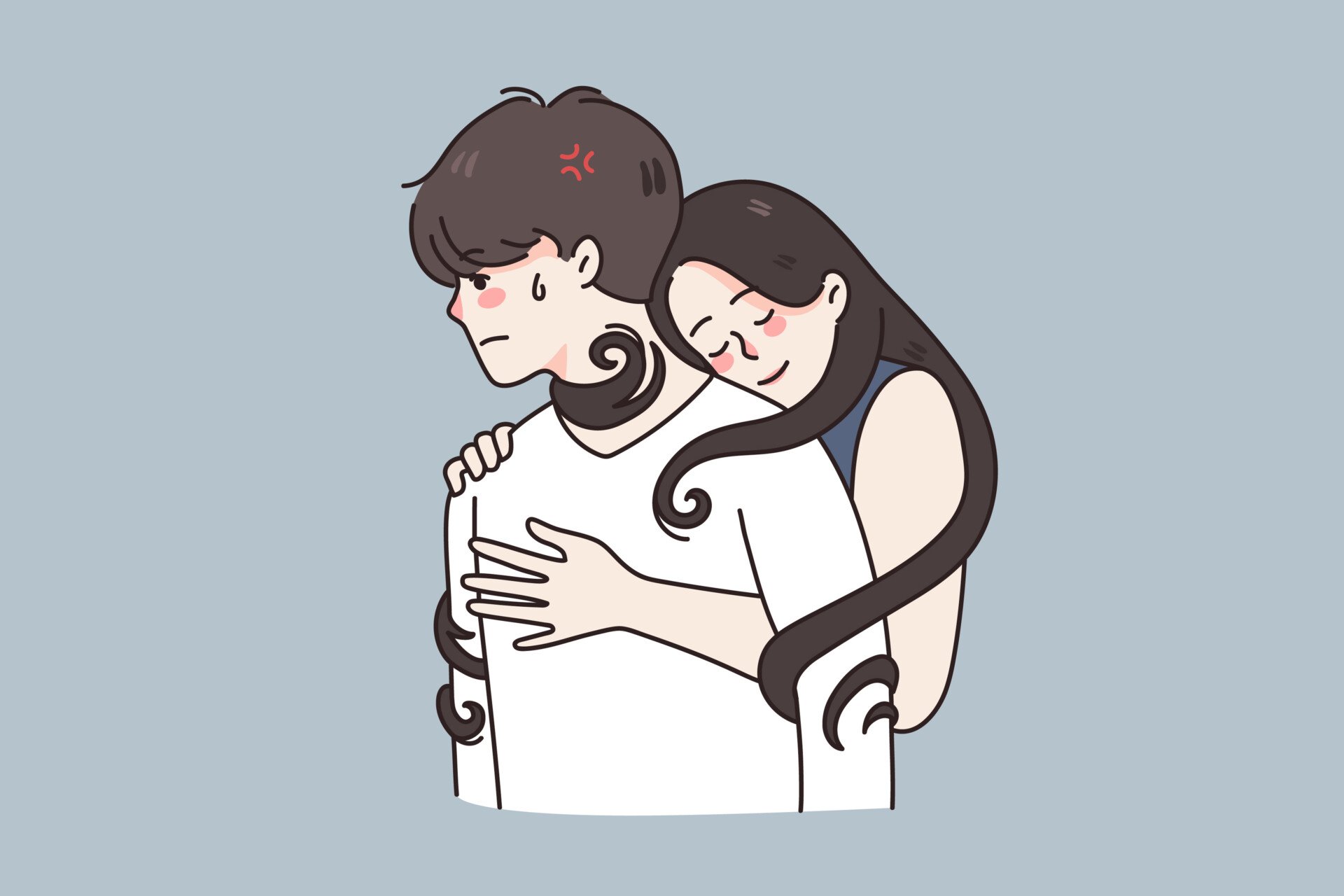
Codependent individuals often derive their self-esteem and sense of self-worth from the approval and validation they receive from others, especially the person they are dependent on. This need for external validation can lead to caretaking behavior, which is a central aspect of codependent relationships.
Codependent caretaking can be unhealthy for both parties involved, as it can perpetuate dysfunction and prevent personal growth and autonomy.
What is Caretaking?
Caretaking refers to the act of taking responsibility for the physical, emotional, or practical needs of another person.
While caretaking may appear as caregiving on the surface, the underlying motivations, goals, and expectations differ significantly.
Motivations and Goals
Although a caretaker’s intentions may appear genuine, their primary motivation behind helping and supporting others is to receive appreciation and feel a sense of purpose.
Expectations
Caretakers expect that sacrificing their needs and feelings for others will be met with gratitude, approval, and validation. However, this usually only leads to disappointment and resentment when the other fails to meet this expectation.
Even if caretaking does temporarily provide some of these benefits, it often leads to unhealthy, dysfunctional, and ultimately unsatisfying relationships in the long term.
Over time, it can result in burnout, resentment, and a sense of emptiness for the codependent individual.
Boundaries
Codependent individuals with caretaking tendencies often have troubleestablishing and maintaining boundaries. They may have a hard time distinguishing where their own needs, emotions, and responsibilities end and where those of the other person begin.
Having such blurred boundaries often results in caretakers neglecting their own needs and emotions in favor of the person they are trying to help. They may struggle to say no and feel compelled to meet the needs of others, often at the expense of their own well-being.
The strong sense of obligation to care for and please others, which is often a hallmark of codependency, can lead to burnout and emotional exhaustion.
Enabling
An important distinction between caretaking and caregiving is that caretaking, especially in the context of codependency, often does not provide genuine help. Instead, it serves to enable and perpetuate the other person’s dysfunctional or unhealthy behavior.
Enabling can include covering up for the other’s mistakes, making excuses on their behalf, or shielding them from the natural consequences of their actions.
What is Caregiving?
Caregiving refers to the act of providing physical, emotional, or practical support to another based on genuine love, selflessness, and respect.
The goal is to support the person’s ability to make decisions and maintain their dignity, while helping them overcome challenges, achieve independence, and experience an improved quality of life.
It is a selfless, kind, and compassionate act that focuses on the well-being of the person receiving care without expecting any material rewards, recognition, or reciprocation.
Caregiving means help is provided when it is needed and asked for. Caregivers respect the autonomy and dignity of the individual receiving care.
They do not overstep on the other person’s boundaries or impose their own values or preferences. Instead, they work to support the person’s choices and decisions.
Additionally, caregivers understand the importance of practicing self-care themselves and implementing firm boundaries to effectively help others while also maintaining their own well-being.
Empowerment
Caregiving is fundamentally about empowering the other person to take control of their own life and maintain their independence, while caretaking may inadvertently enable dependency and hinder personal growth.
Caregiving emphasizes support that is sustainable in the long term. It aims to create a foundation for the individual to manage their own well-being, even after the formal caregiving relationship ends.
Are you a Caregiver or Caretaker?
The following is a list of questions that will help you to identify whether you might be a caregiver or a caretaker. If you answer yes to a majority of these questions, you are likely engaging in caretaking behaviors.
Please note that this is not diagnostic. If you find that your responses indicate a pattern of caretaking that is causing distress or imbalance in your relationships, it may be beneficial to seek guidance from a professional who can help you explore these dynamics further and work toward healthier and more balanced relationships.
Take some time and consider the following questions:
CaretakingCaregivingMotivation is validation from othersMotivation is empathy and genuine concernSeeks to control or change the other personRespects the autonomy of the other personWeak or non-existent boundariesHealthy, well-defined boundariesDiscourages individual autonomyRespects and supports autonomyProvides short-term reliefOffers sustainable, long-term supportEncourages dependencyEmpowers and supports independenceConditional, expecting something in returnUnconditional, selfless supportOften enables destructive behaviorsSupports personal growth and healingDraining and emotionally exhaustingBalanced, maintains caregiver’s well-beingNeglects personal well-beingPrioritizes self-care and self-preservation
Julia Simkusedited this article.

Saul McLeod, PhD
BSc (Hons) Psychology, MRes, PhD, University of Manchester
Saul McLeod, PhD., is a qualified psychology teacher with over 18 years of experience in further and higher education. He has been published in peer-reviewed journals, including the Journal of Clinical Psychology.
Olivia Guy-Evans, MSc
BSc (Hons) Psychology, MSc Psychology of Education
Olivia Guy-Evans is a writer and associate editor for Simply Psychology. She has previously worked in healthcare and educational sectors.
Anna DrescherMental Health WriterBSc (Hons), Psychology, Goldsmiths University, MSc in Psychotherapy, University of QueenslandAnna Drescher is a freelance writer and solution-focused hypnotherapist, specializing in CBT and meditation. Using insights from her experience working as an NHS Assistant Clinical Psychologist and Recovery Officer, along with her Master’s degree in Psychotherapy, she lends deep empathy and profound understanding to her mental health and relationships writing.
Anna DrescherMental Health WriterBSc (Hons), Psychology, Goldsmiths University, MSc in Psychotherapy, University of Queensland
Anna Drescher
Mental Health Writer
BSc (Hons), Psychology, Goldsmiths University, MSc in Psychotherapy, University of Queensland
Anna Drescher is a freelance writer and solution-focused hypnotherapist, specializing in CBT and meditation. Using insights from her experience working as an NHS Assistant Clinical Psychologist and Recovery Officer, along with her Master’s degree in Psychotherapy, she lends deep empathy and profound understanding to her mental health and relationships writing.
